
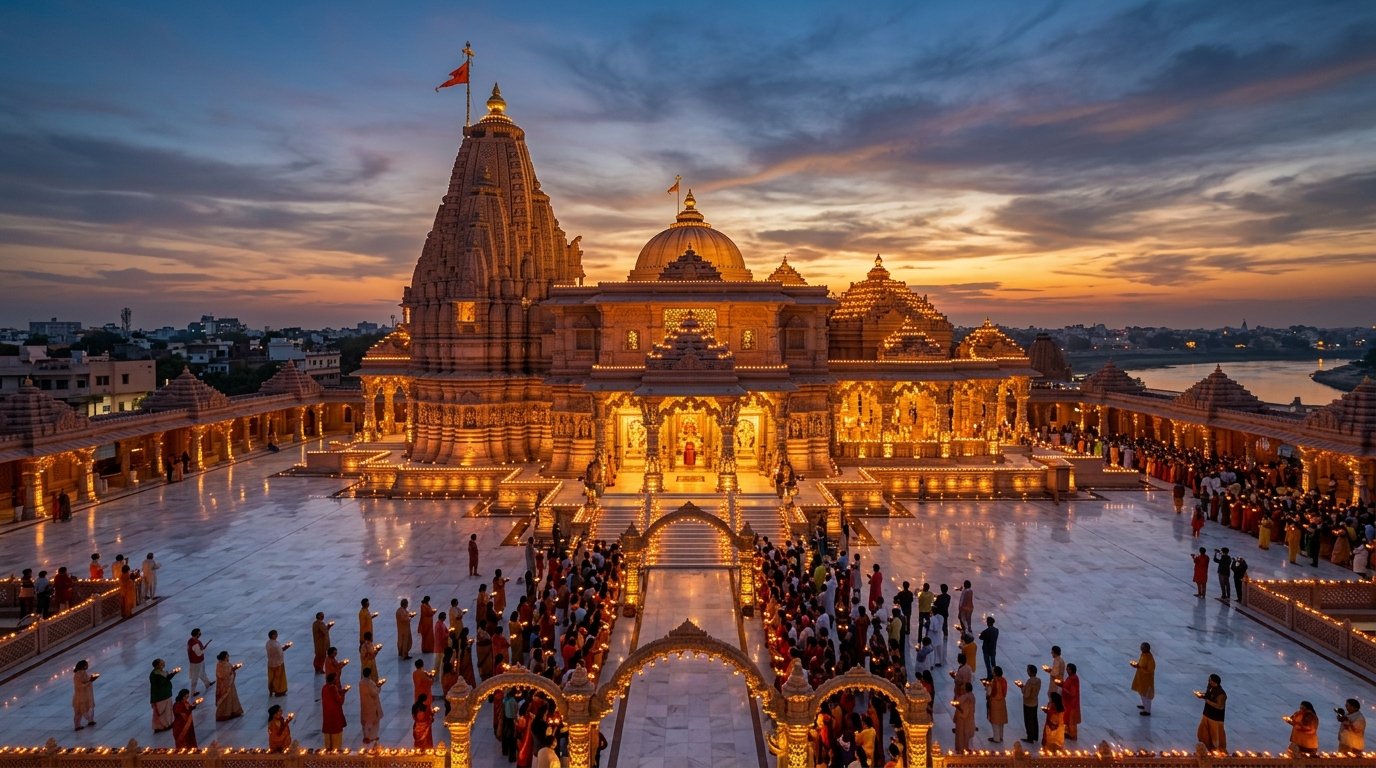
Experience the Divine Splendor of Ayodhya Ram Mandir & Ancient Kashi
“श्री राम जन्मभूमि अयोध्या और काशी विश्वनाथ के दर्शन — आरामदायक कैब, बोट राइड और परिवार के साथ बिना किसी परेशानी के।”
Handcrafted private AC chauffeur journeys, curated 4-star spiritual stays, VIP temple darshan coordination, and private Ganga boat cruises across Ayodhya, Varanasi, and Prayagraj.
Where Devotion Meets Refined Hospitality
॥ जय श्री राम ॥ पवित्र सरयू के तट से लेकर माँ गंगा की दिव्य आरती तक, अध्यात्म का अनुपम अनुभव।
Bespoke Pilgrimages Crafted for Unrivaled Peace & Reassurance
From the timeless stone steps of Varanasi's ancient ghats to the majestic marble sanctum of Ayodhya's Ram Mandir, our journeys bridge centuries of sacred heritage with effortless modern comfort.
Founded by native custodians of Ayodhya and Kashi, we curate private chauffeured pilgrimages designed specifically for families and senior citizens. We eliminate crowded queues, transit chaos, and unverified logistics so your focus remains purely on devotion and spiritual rejuvenation.
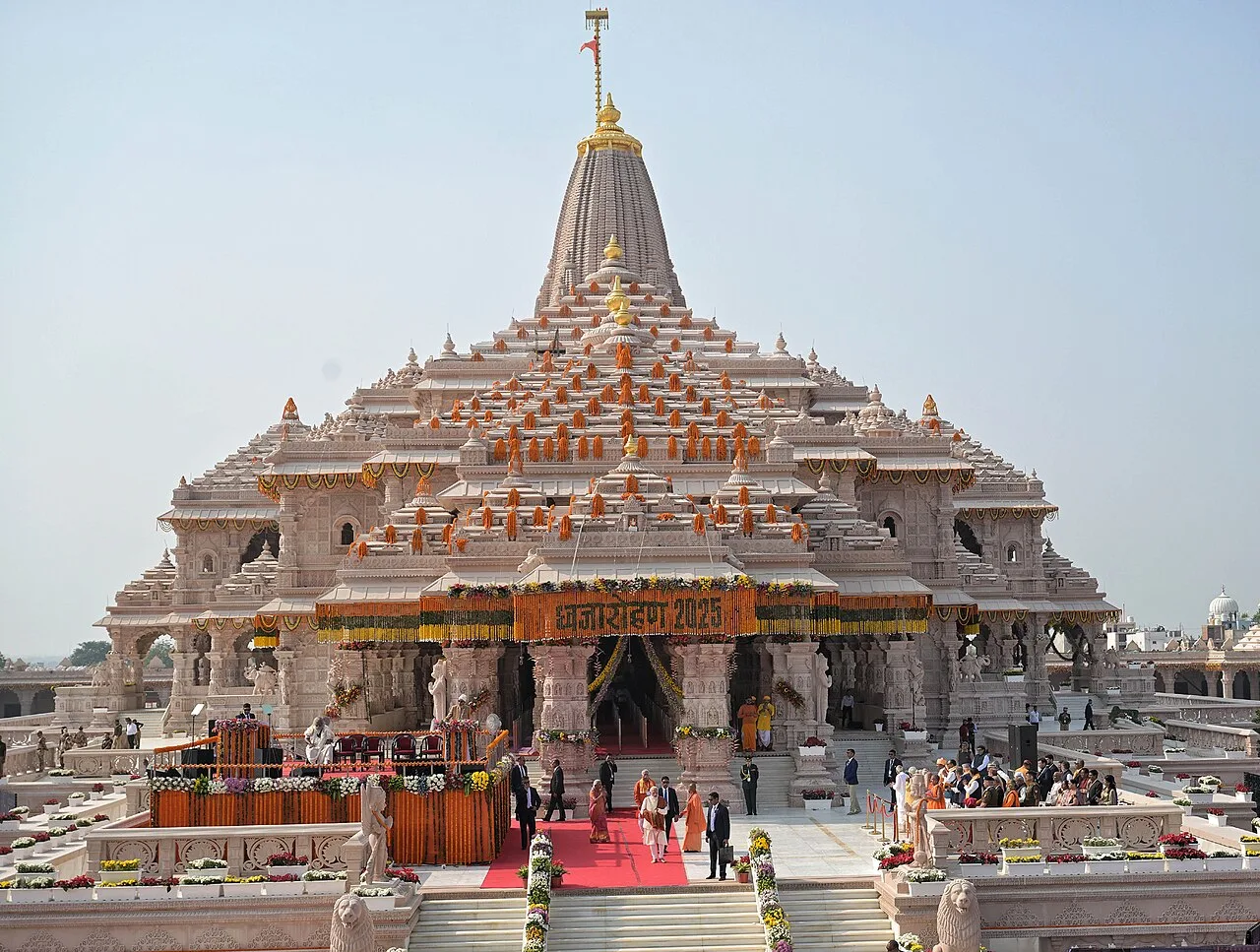
Shri Ram Janmabhoomi
The Sacred Royal Ayodhya Sanctum

Shri Kashi Vishwanath
The Eternal Jyotirlinga of Shiva
Private Sanctum Darshan
Sugam Darshan passes, VIP aarti guidance, and priority temple trust coordination.
Senior Citizen Care
Battery e-carts in temple corridors, wheelchair assistance, and ground floor suites.
Royal AC Chauffeurs
Sanitized Innova Crysta & Urbania vans with verified polite chauffeurs throughout.
100% Satvik Hospitality
Hand-selected 4-star spiritual hotels with authentic satvik vegetarian cuisine.
Curated Yatras & Sacred Stays
वाराणसी, अयोध्या और प्रयागराज के लिए सुगम एवं आरामदायक तीर्थ यात्रा पैकेज
Shri Kashi Vishwanath
The Eternal Jyotirlinga of Shiva
Divine Kashi & Sarnath Immersion
॥ हर हर महादेव ॥ काशी विश्वनाथ और गंगा महाआरती के दिव्य दर्शन
An immersive spiritual retreat in Varanasi covering the golden sanctum of Kashi Vishwanath Jyotirlinga, the mesmerizing evening Ganga Aarti from a private luxury boat, sunrise Vedic rituals at Assi Ghat, and the historic Buddhist peace sanctuary of Sarnath.
Shri Ram Janmabhoomi
The Sacred Royal Ayodhya Sanctum
Ayodhya Ram Lalla Darshan & Heritage Tour
॥ जय श्री राम ॥ भव्य राम मंदिर और पावन सरयू आरती के सुगम दर्शन
A soul-enriching pilgrimage to the sacred birthplace of Bhagwan Shri Ram. Enjoy priority darshan at the grand Ram Janmabhoomi Mandir, seek blessings at the hilltop Hanuman Garhi fortress, explore the golden palace of Kanak Bhawan, and participate in the tranquil evening Saryu Maha Aarti.
Shri Ram Janmabhoomi
The Sacred Royal Ayodhya Sanctum
The Holy Trikuta: Kashi – Prayagraj – Ayodhya
॥ त्रिकूटा महातीर्थ ॥ काशी, प्रयागराज एवं अयोध्या सम्पूर्ण यात्रा
The definitive holy pilgrimage of North India. Connect the sacred Moksha Nagari of Varanasi, the Triveni Sangam confluence of Prayagraj, and the divine kingdom of Ayodhya Dham in one seamless, luxury-chauffeured spiritual journey with complete senior citizen care.
Sacred Sanctuaries of Purvanchal
उत्तर प्रदेश के चार प्रमुख पावन तीर्थ — दो विशेष अनुभागों में प्रस्तुत
01. Shri Ram Janmabhoomi & Ancient Kashi Jyotirlinga
Shri Ram Janmabhoomi
The Sacred Royal Ayodhya Sanctum
Ayodhya Dham
॥ श्री अयोध्या धाम ॥ प्रभु श्री राम की पावन जन्मभूमि
Situated peacefully along the serene banks of the sacred Saryu River in Uttar Pradesh, Ayodhya is one of the seven most sacred Moksha-Dayani cities (Sapta Puri) of Sanatan Dharma. The newly consecrated Shri Ram Janmabhoomi Mandir stands as a testament to civilizational devotion, surrounded by historic temples like Hanuman Garhi, Kanak Bhawan, and the vibrant ghats of Ram Ki Paidi.
Shri Kashi Vishwanath
The Eternal Jyotirlinga of Shiva
Kashi (Varanasi / Banaras)
॥ काशी विश्वनाथ धाम ॥ भगवान शिव की अविनाशी नगरी
Known as Kashi — 'the luminous city' — Varanasi has stood as the spiritual capital of India for over three millennia. Perched upon the crescent bend of the sacred River Ganga, Varanasi is home to the sacred Kashi Vishwanath Jyotirlinga, 84 ancient stone ghats, sublime evening aartis, and centuries-old traditions of philosophy, classical music, and Banarasi silk weaving.
02. Prayagraj Triveni Sangam & Sarnath Peace Sanctuary

Triveni Sangam Sanctuary
Confluence of Three Sacred Rivers
Prayagraj (Triveni Sangam)
॥ तीर्थराज प्रयाग ॥ गंगा, यमुना एवं सरस्वती का पावन संगम
Tirtharaj Prayag (Prayagraj) is revered as the foremost among all holy places in Hinduism. Here, the holy rivers Ganga, Yamuna, and the invisible mythical Saraswati unite at the Triveni Sangam. A sacred dip here is believed to grant spiritual purification and freedom from the cycle of rebirth.
Sarnath Heritage Peace Stupa
Ancient Buddhist Monastic Grove
Sarnath (Buddhist Heritage)
॥ सारनाथ ॥ भगवान बुद्ध की प्रथम उपदेश स्थली
Located merely 10 km northeast of Varanasi, Sarnath is where Gautama Buddha delivered his first discourse after attaining enlightenment at Bodh Gaya. Known anciently as Isipatana (the deer park), Sarnath is one of the four principal pilgrimage sites of Buddhism, showcasing majestic stupas, monasteries, and ancient archaeological treasures.
Exclusive Luxury Bajra & Ganga Aarti Cruises
माँ गंगा की भव्य महाआरती और सुबह-ए-बनारस के लिए खास बोट और बजरा बुकिंग
Witness the mesmerizing Dashashwamedh Ghat Grand Ganga Aarti from a prime, unobstructed floating platform directly facing the 7 aarti priests. Relax on plush traditional mattresses with live acoustic Shehnai music, hot satvik masala chai, and floating earthen diya ceremony.

Dashashwamedh Maha Aarti
Private Royal Bajra Viewing
Words of Reverence & Gratitude
श्रद्धालु परिवारों के अनुभव एवं पावन स्मृतियाँ
॥ बहुत ही सुंदर व्यवस्था ॥ माता-पिता के लिए अत्यंत आरामदायक यात्रा।
"We travelled with our 74-year-old parents. The care provided by the chauffeur and local guides in Ayodhya and Kashi was exemplary. The private boat at Dashashwamedh Aarti and wheelchair assistance at Ram Mandir made the entire yatra utterly effortless and deeply fulfilling."
॥ हर हर महादेव ॥ अविस्मरणीय और दिव्य दर्शन।
"The Kashi Vishwanath VIP coordination was flawlessly handled. Witnessing the evening Ganga Aarti from our private wooden bajra with classical flute music in the background was a surreal, life-changing experience."
॥ जय श्री राम ॥ प्रभु राम की कृपा से बहुत ही सुंदर दर्शन हुए।
"The clean Innova Crysta, verified satvik meals, and local scholar guide at Hanuman Garhi and Ram Janmabhoomi made us understand the deep history of each spot. Highly recommended for every Sanatan family."
Frequently Asked Questions
अयोध्या और काशी यात्रा से जुड़े आपके सभी जरूरी सवालों के सरल और सटीक उत्तर
Ayodhya and Kashi (Varanasi) represent the two foundational pillars of Indian spiritual heritage in Uttar Pradesh. Ayodhya is the sacred birthplace of Lord Rama (Maryada Purushottam), symbolizing righteousness and dharma, while Kashi is the timeless city of Lord Shiva (Moksha Nagari), bestowing spiritual liberation and enlightenment along Mother Ganga. Completing both pilgrimages in a unified circuit unites the epic traditions of the Ramayana and Shaivite philosophy.
Ready to Embark on Your Sacred Pilgrimage?
Speak directly with our dedicated Yatra Pilgrim Manager for personalized dates, wheelchair assistance, hotel preferences, and transparent quotes.